

“Good Wine Is Not A Beverage”, Ricasoli: Discover this Tuscan Winery at Lucciola NYC
A six-course Chianti Classico dinner with Barone Francesco Ricasoli on the Upper West Side, for 12 guests only
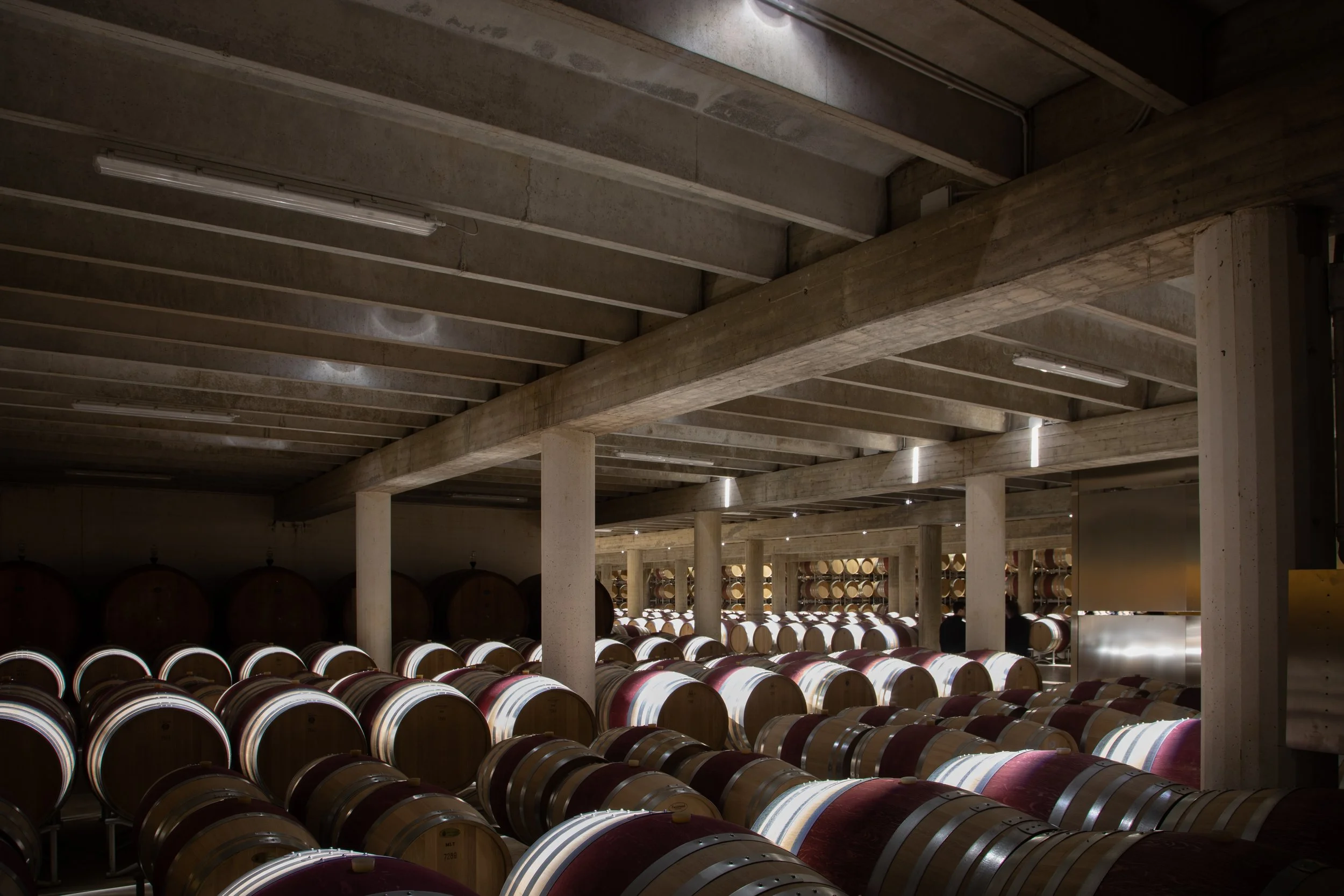
On October 22, Lucciola NYC will host Baron Francesco Ricasoli for a six-course Italian wine dinner built around six labels from the Castello di Brolio estate in Gaiole in Chianti, Tuscany.
The wine dinners at Lucciola are based on conversations with the producer, with direct questions about their work, heritage and ideas surrounding wines and wineries. Wine Director Alberto Ghezzi chooses the vineyards to collaborate with, and his effort brought Lucciola NYC the Wine Spectator Award for years in a row, including the 2026 edition. In other words, you can be sure the wine will be incredible.
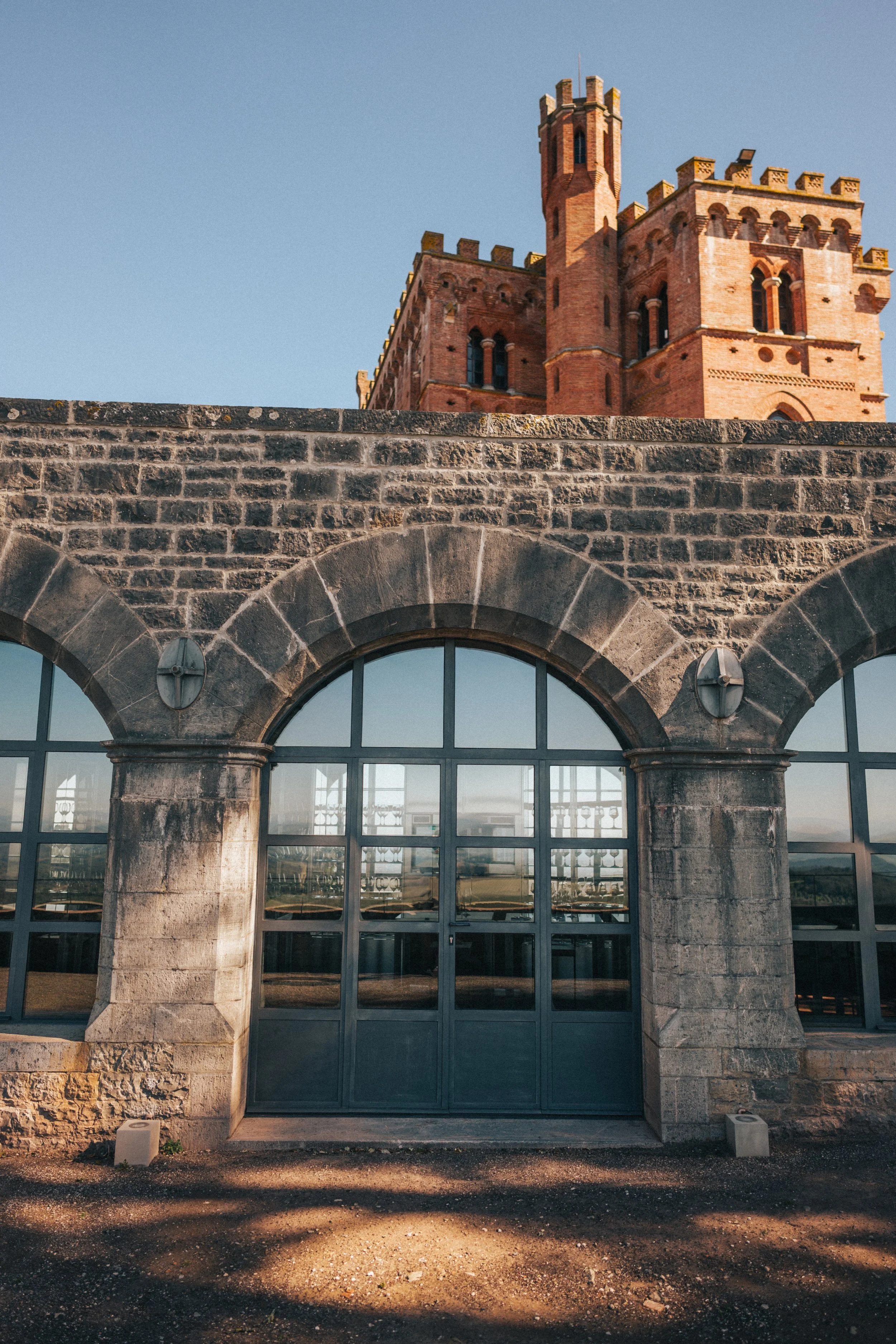
Castello di Brolio detail
Baron Francesco Ricasoli took over the estate in 1993, and we decided to ask him a couple of questions in advance, to help you familiarize with the winery Lucciola proposes.
Challenges, Tuscany, and History
What are the challenges of producing wine today?
The challenge — if we can call it that — is to put into the bottle not only quality, but above all identity, history, origin, and stylistic recognizability.
Which aspects do you find most complex at this moment, given your experience?
Climate change is without a doubt one of the most challenging aspects impacting production, although today, thanks to scientific progress and greater knowledge, we are still able to mitigate a climate that has undoubtedly changed a great deal. The other aspect to take into consideration is the excessive global production of wine, particularly common or table wine.
The estate and the family have a long and rich history. But telling only the story of the past is often one of the major differences with the U.S., which perceives itself as very innovative and less anchored to tradition. What, then, are the innovations that have been brought to Ricasoli over the years?
Today, Ricasoli's "pride" lies precisely in being at the forefront of research and innovation, in both viticulture and winemaking, with an ever-growing awareness that the challenges ahead are won through a fully sustainable approach. In recent years, Ricasoli has distinguished itself with an idea never realized before: to select specific Sangiovese vineyards planted on different soils in order to produce pure Sangiovese wines — all from within the Brolio estate — of profoundly different identities from one another.
What are your favorite places in Tuscany? What would you recommend to a visitor who wants to discover Tuscany in a more natural and authentic way?
Our region has the privilege of holding many souls: from its many cultural cities (Florence, Siena, Lucca, Arezzo) to countrysides that are beautiful yet so different from one another (the Crete Senesi, the Maremma, the Chianti Classico, the Val d'Orcia), the beautiful islands of the Tuscan Archipelago (Elba, Capraia, Giglio, Pianosa), and the majestic forests of Lunigiana and Pratomagno, and so on. My heart, however, stops in the Sienese territory of Chianti Classico.
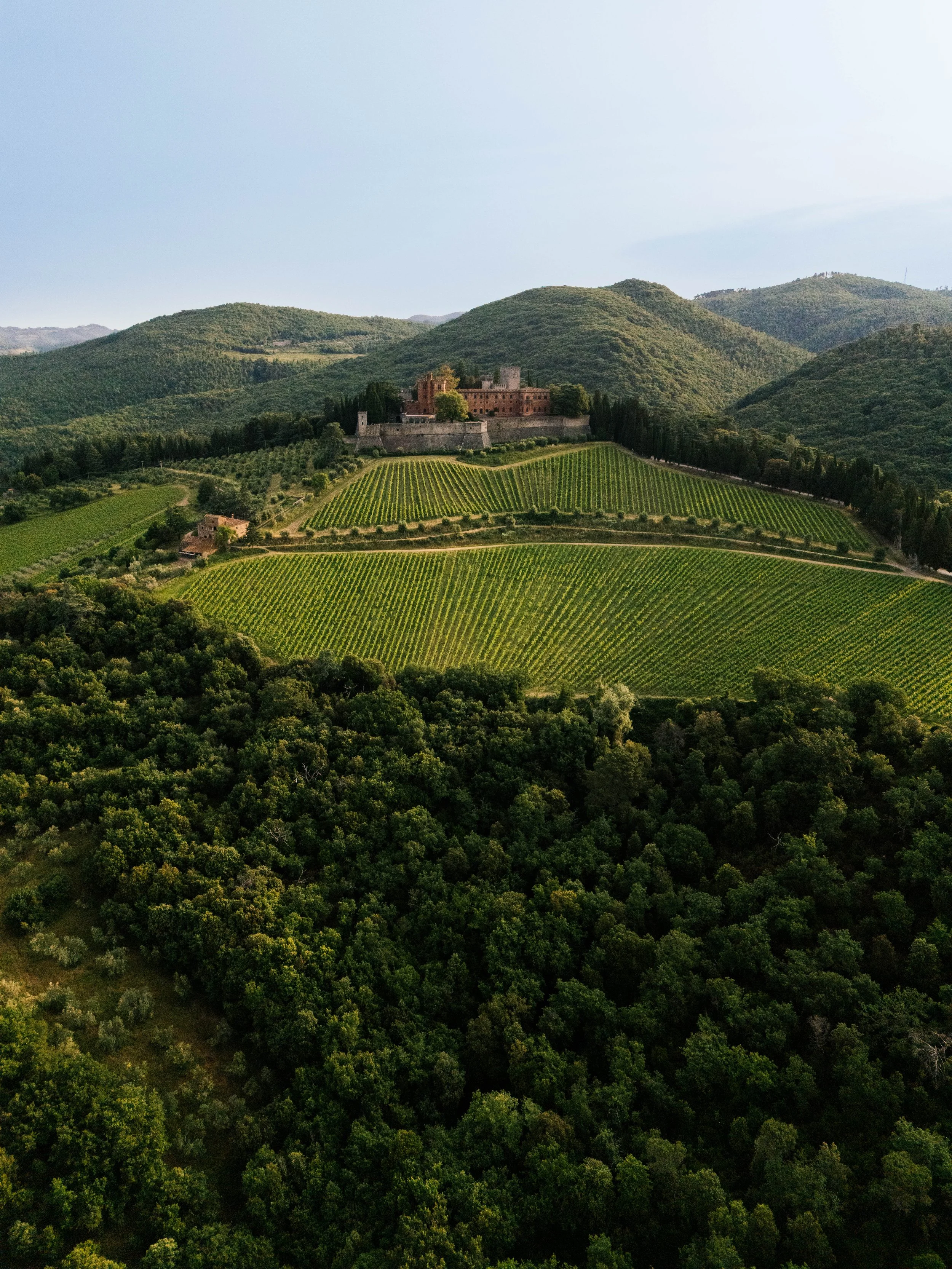
Is your heart stopping, too?
How are you approaching the shifts in trends within the wine sector and the arrival of new buyers?
Our wines are increasingly built around drinkability, without ever forgetting that they must retain their integral identity. With new generations, one must communicate with greater simplicity, explaining that behind a good bottle of wine there is so much more — a story, a culture, people, places, territories, history. In short: good wine is not a "beverage," it is much more. When a new consumer approaches the world of wine, we must let them have a sensory and perceptual experience.
Do some of your wines have a peculiar story to tell?
Certainly the wines of Brolio have been poured into the prestigious glasses of many royal houses and important political figures. The Duke of Norfolk, toward the end of the seventeenth century, could not do without the wines of Brolio. Ian Fleming, too, mentions our Brolio in one of his 007 novels.
How far back do your back vintages go? What is the estate's policy on maintaining a collection of your bottles?
We hold an extensive number of old vintages of Brolio Riserva, Vin Santo, Torricella, and today, of our four Gran Selezione — Castello di Brolio, Colledilà, Roncicone, and CeniPrimo. I have personally tasted (and enjoyed) bottles more than eighty years old.
Do your winemakers change often, and with them the production style?
For more than 25 years our technical team has remained the same, and we are now training their successors.
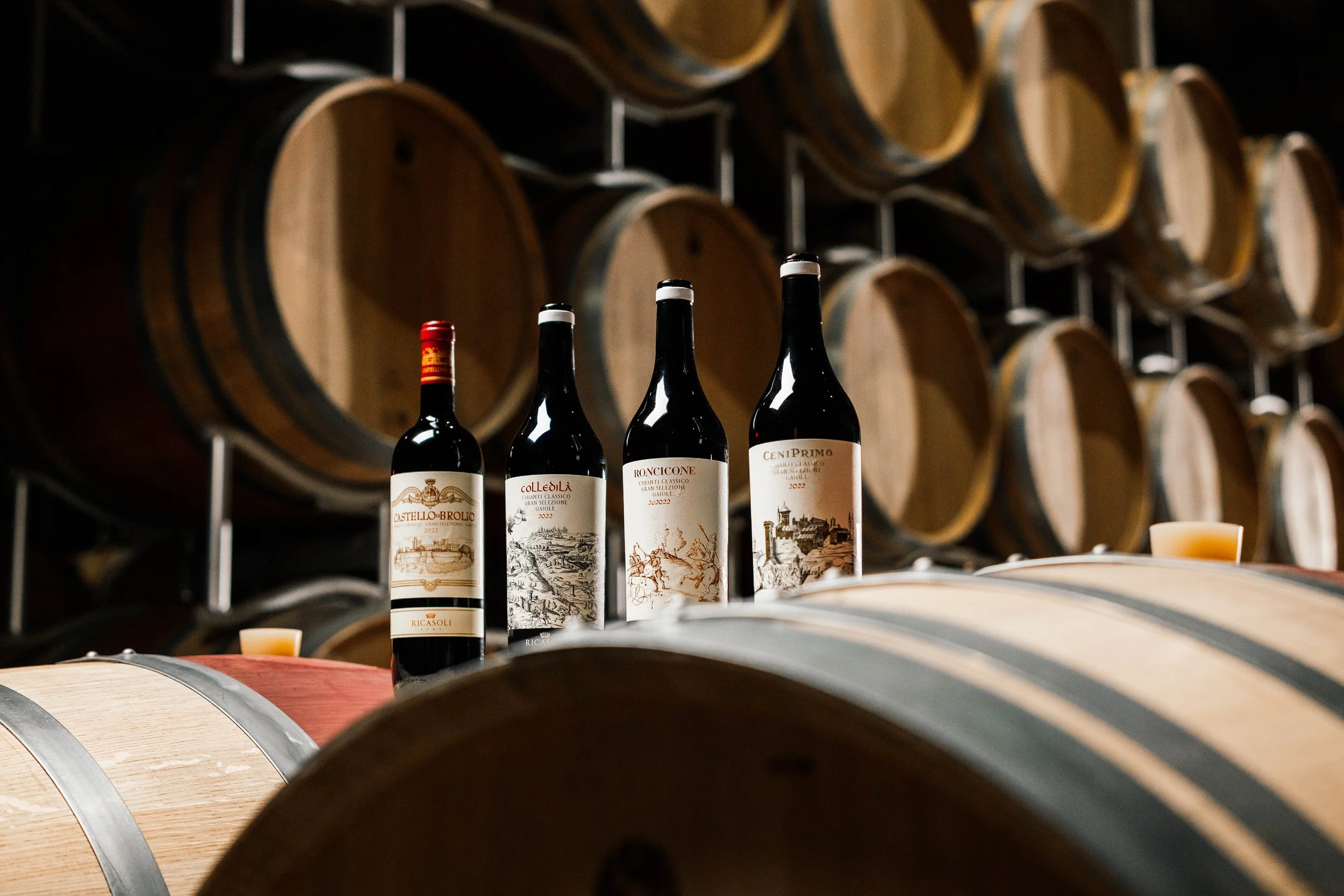
The Wine Dinner Line-Up
Colledilà 2016, from a parcel that produces a Sangiovese of finer, cooler lines.
Roncicone 2020
Castello di Brolio 2018 in magnum, the estate's historic flagship Gran Selezione, in a vintage that is drinking with real weight.
Casalferro 2019, the Merlot-driven counterpart to the Sangiovese.
Vin Santo 2015 — the Tuscan dessert wine.
Chef Michele Casadei Massari will compose a six-course tasting menu around these wines and unique for that night.
Date Thursday, October 22
Format Six courses, six wines
Host Baron Francesco Ricasoli
Location Lucciola NYC, Amsterdam Avenue, Upper West Side
Price $300 per guest
