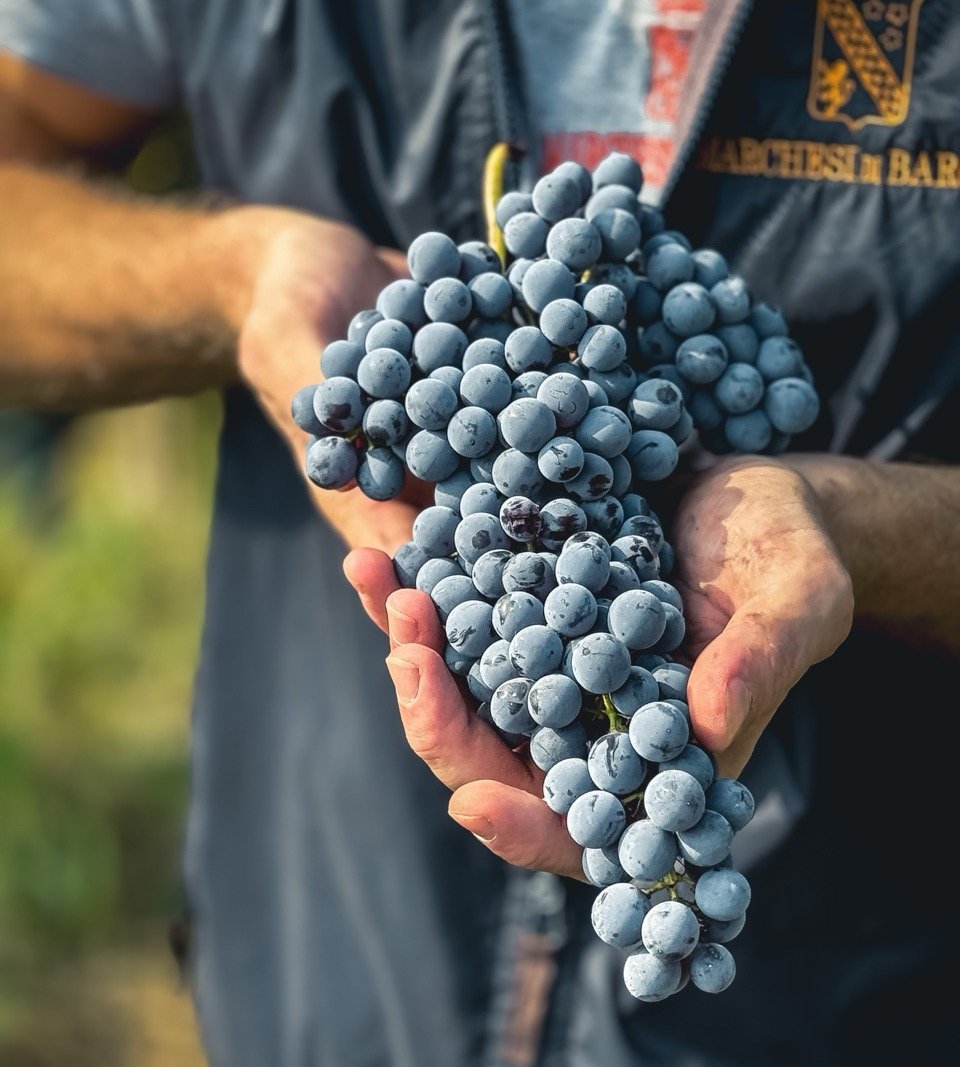

Discover The Place Where
Barolo Was Born
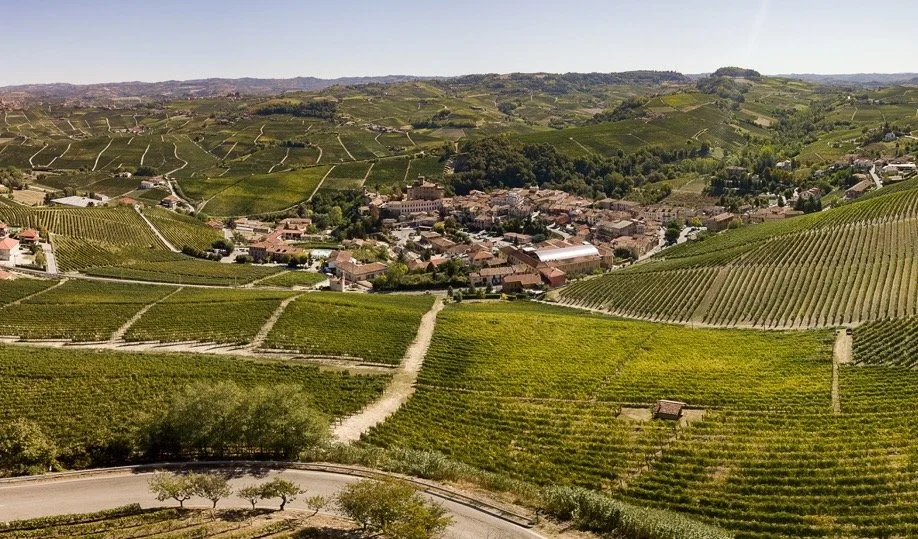
On Thursday, November 6, Lucciola continues to bring unique wineries to the Upper West Side.
Marchesi di Barolo is the house where modern Barolo was literally invented. The estate traces to the Falletti marquisate in the town of Barolo itself, and it was from this cellar in the early nineteenth century that the wine took the shape we now recognize. The Abbona family — producers in the Barolo for two generations before — acquired the estate in 1929. Valentina Abbona, who will be at the table with our patrons, is part of the family that has run it ever since.
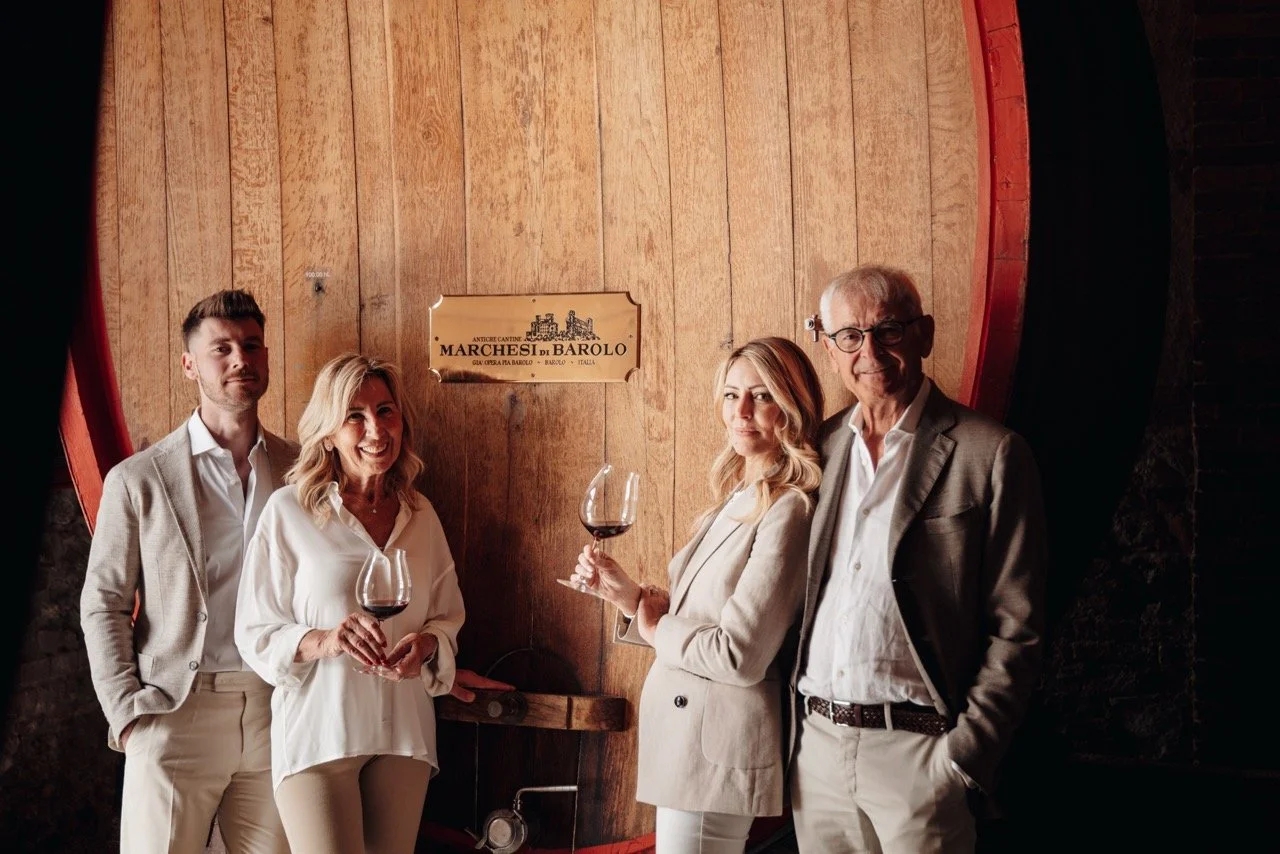
An Intimate Dinner Built Around “The King of Wines”
Wine Director Alberto Ghezzi selected the lineup:
Bric Amel Langhe Sauvignon
Barbera d'Alba Superiore Peiragal
Barolo Tradizione 2020
Barolo Cannubi 2019
Barolo Coste di Rose 2016
A special back vintage will be revealed during the dinner
Barolo Chinato
Chef Michele Casadei Massari will compose an exclusive menu around the wines.
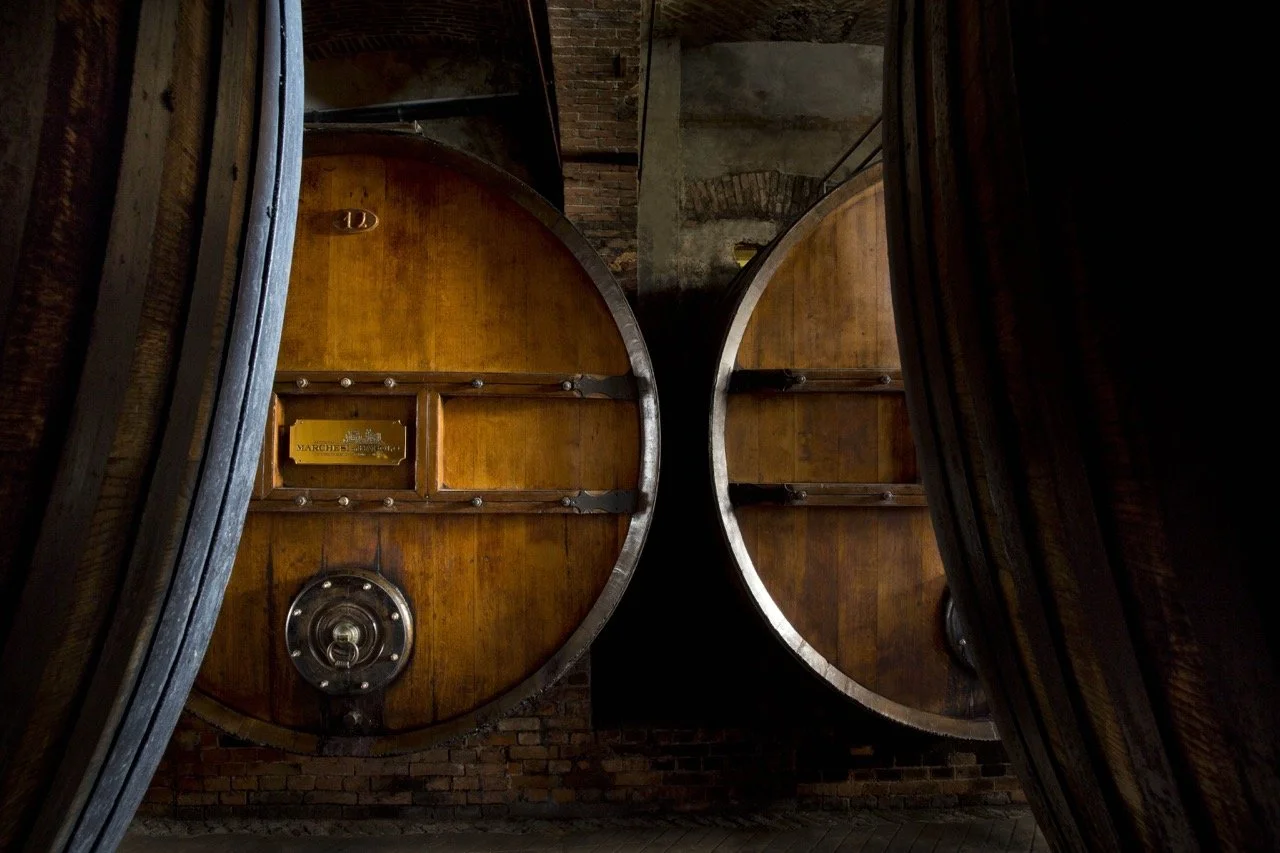
Marchesi di Barolo has been in the United States since the 1930s and ’40s
The winery still holds registers of its private clients in New York from that period, and Valentina Abbona’s family is focused on drinking less, but drinking better.
“Today there is a much more conscious consumption than there used to be, and I actually think that is a good thing. People give more value to what they drink. They may drink less, but they drink distinctly better — and the wines themselves are made with more care than before. Our answer is to concentrate on the cultural inheritance a bottle of wine carries. When you speak about wine, you are speaking about history, geography, people, emotion. That is the register we want to keep.”
You might ask yourself which markets are surprising the winery nowadays. The expected ones (Asia) have become settled. The surprises now are the Arab markets, cautiously opening to wine, and above all South America — Brazil in particular. Brazilian collectors arrive in Barolo with specific producer lists, specific vintages they want to taste, specific questions. “They have studied,” she said. “They are prepared.”
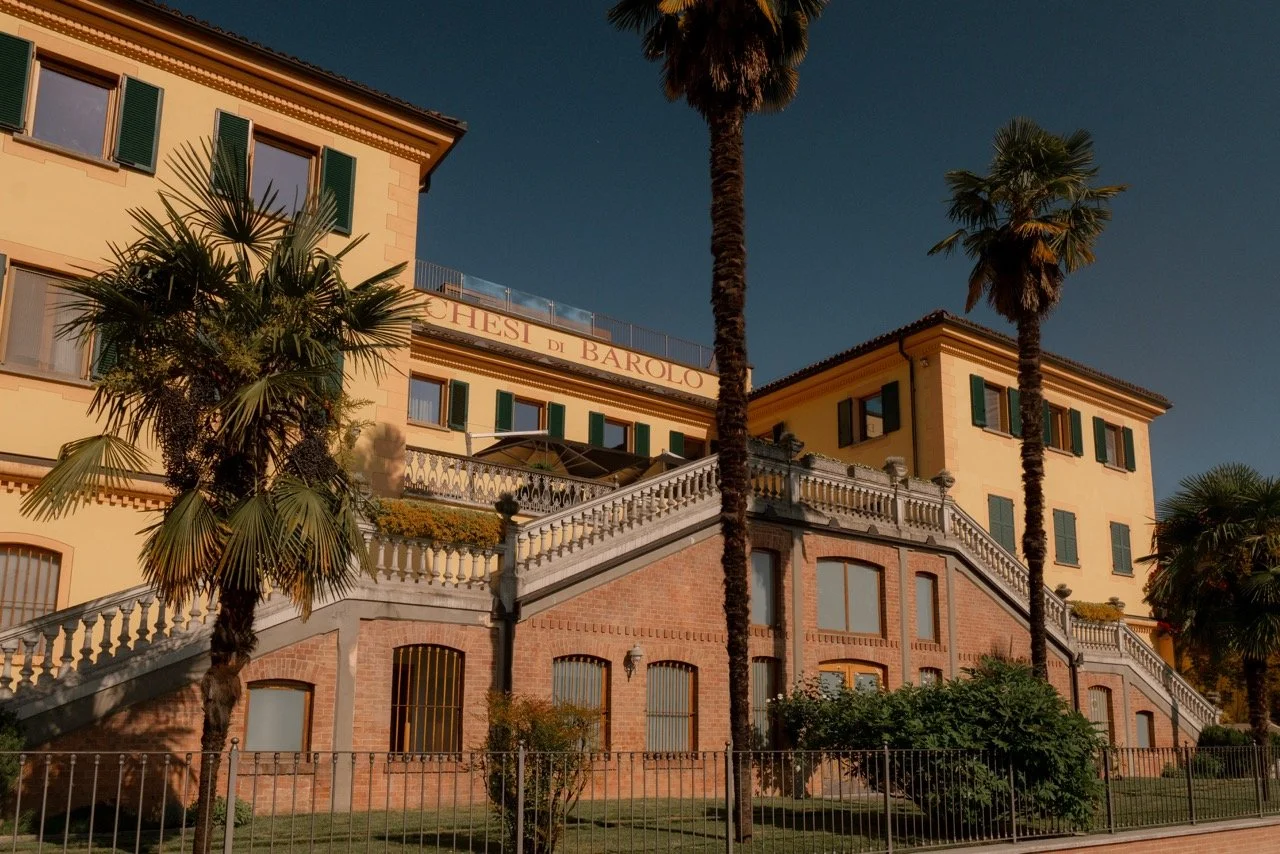
Preserving Memory In Barolo
In Barolo, Valentina explained, there was never really a tradition of keeping a large archive or back vintages. Through the long middle of the twentieth century, Barolo was not the wine it is now, and most producers sold what they made. Her family, from the moment they took the estate in 1929, did something almost nobody else was doing: they kept bottles aside, every year, from every production.
Today, Marchesi di Barolo holds vintages for educational purposes and to study them and understand how Barolo changed.
The point of the “archive” is not sale. It is didactic. The old bottles come out for structured verticals — for sommelier studies, for enological associations working on a specific question, for serious evenings among friends.