

More Than a List: How Great Wine Programs Drive Experience, Brand Value, and Investment Potential
By Alberto Ghezzi
In great restaurants, wine isn’t just a beverage. It’s an expression part of the personality.
Over the past 15 years, I’ve come to see a wine program not as a supporting actor, but as a stage. It’s where a brand tells its story, where a guest encounters identity, and increasingly, where culture meets capital.
At Lucciola, our wine list has never been about showing off. It’s about building experiences, shaping perception, and increasingly, positioning wine as an alternative asset.
Here’s how I see the evolving power of a strong wine program, based on what we’ve built, what we’ve learned, and what’s coming next.
Part 1: What a Wine Program Says About a Brand
At Lucciola, our wine program wasn’t designed to be trendy. It was designed to:
Reflect our heritage (deeply Italian, rooted in tradition and with an extension to the World)
Highlight excellence (featuring rare crus, verticals, producers of global prestige and small niche producers)
Build emotional connection through storytelling and discovery
But let me be clear:
A great wine list is not about having the most expensive bottles or the most famous producers.
Don’t get me wrong—those names and price points are powerful tools. But in terms of experience, the story is the real asset.
Wine lovers, especially connoisseurs, aren’t just chasing labels. They’re looking to be surprised. To learn. To feel.
Sometimes, the magic is in a $100 bottle from a small, under-the-radar estate producing world-class wine quietly and without fanfare. That bottle, presented with heart and knowledge, can create just as much wonder, if not more, than one priced at $500.
This is what I wish I had understood earlier in my journey.
A strong wine program is not about showing off. It’s about showing purpose.
At Lucciola, our wine list was carefully built over three years, with a two-phase strategy:
Horizontal growth – building depth by category, region, and style
Vertical growth – going deep on producers and vintages we believe in
Today, we continue expanding in both directions, but we do so mindfully, balancing ambition with physical constraints. Every bottle must earn its place, not just through acclaim, but through its ability to deliver a moment.
Because when you serve a wine that’s been sourced with care and presented with meaning, you’re not just pouring a drink. You’re curating a memory.
I love this. I love to find these bottles. I love to train our staff in these wines that deliver emotions and storytelling. And if they will love them, they will suggest them to our clients.
Part 2: Fine Wine as an Alternative Asset
Beyond hospitality, fine wine has solidified its status as a serious alternative investment class. For those of us who curate wine programs, it's not just about pairing with cuisine—it's about understanding assets that appreciate in value.
Performance Highlights
Over the past decade, several wines have demonstrated remarkable returns:
Screaming Eagle Cabernet Sauvignon (Napa Valley) The 2010 vintage increased 46% in value in just six months. As of 2024, a 750ml bottle averages $4,245.
Domaine de la Romanée-Conti (Burgundy) The 2005 vintage saw a 16.6% gain between 2021 and 2022. The 2012 case reached £295,910.
Giacomo Conterno Monfortino (Barolo) 2010 bottles now average around $2,000—up from ~$200+ a decade ago.
Château Lafite Rothschild (Bordeaux) Once a darling of Asia, prices soared from 2009–2011. Though recently corrected, it remains a staple in fine wine portfolios.
The Market Correction
Fine wine is experiencing a downturn:
Burgundy: down 14.4% in 2024
Champagne: down 9.8%
Bordeaux: down 11.3%
Overall: the Liv-ex Fine Wine 100 fell 9.2%, while global stocks rose 20%
I would like to note this. the latest release price for Château Lafite Rothschild's 2024 vintage is indeed significantly lower than previous years and is considered the lowest in a decade, according to Fine Wine Library. The 2024 en primeur release was priced at €288 per bottle ex-négociant, a 27% reduction from the 2023 futures price. This makes the 2024 vintage the cheapest Lafite currently available in the market. Opportunity?
For some, this signals concern. But for long-term investors, it’s probably a moment of opportunity. Corrections reset the playing field and invite strategic buying.
The Strategy Behind the Cellar
New platforms like Wine Wins Srl are turning wine investment into smart portfolio design.
For the clients:
Buy wine ex-château in Europe or trusted negotiants. Cases go through inspections and security check to guarantee the quality.
Store in bonded warehouses (duty- and tax-free)
Monitor market performance and resell without ever importing
It’s cost-efficient, risk-managed, and optimized for capital appreciation over consumption.
Wine Meets Web3
Innovation is also redefining access and trust.
Companies like dVIN Labs are tokenizing fine wine bottles on the blockchain, turning each into a verifiable, traceable digital asset. This unlocks:
Provenance you can verify. Long Term Tracking
Marketplace functionality for fractional ownership or resale
A new generation of collectors who may never even pull a cork
We are entering a chapter where wine is no longer just for the cellar, it’s also for the digital wallet.
Your Turn
So let me ask:
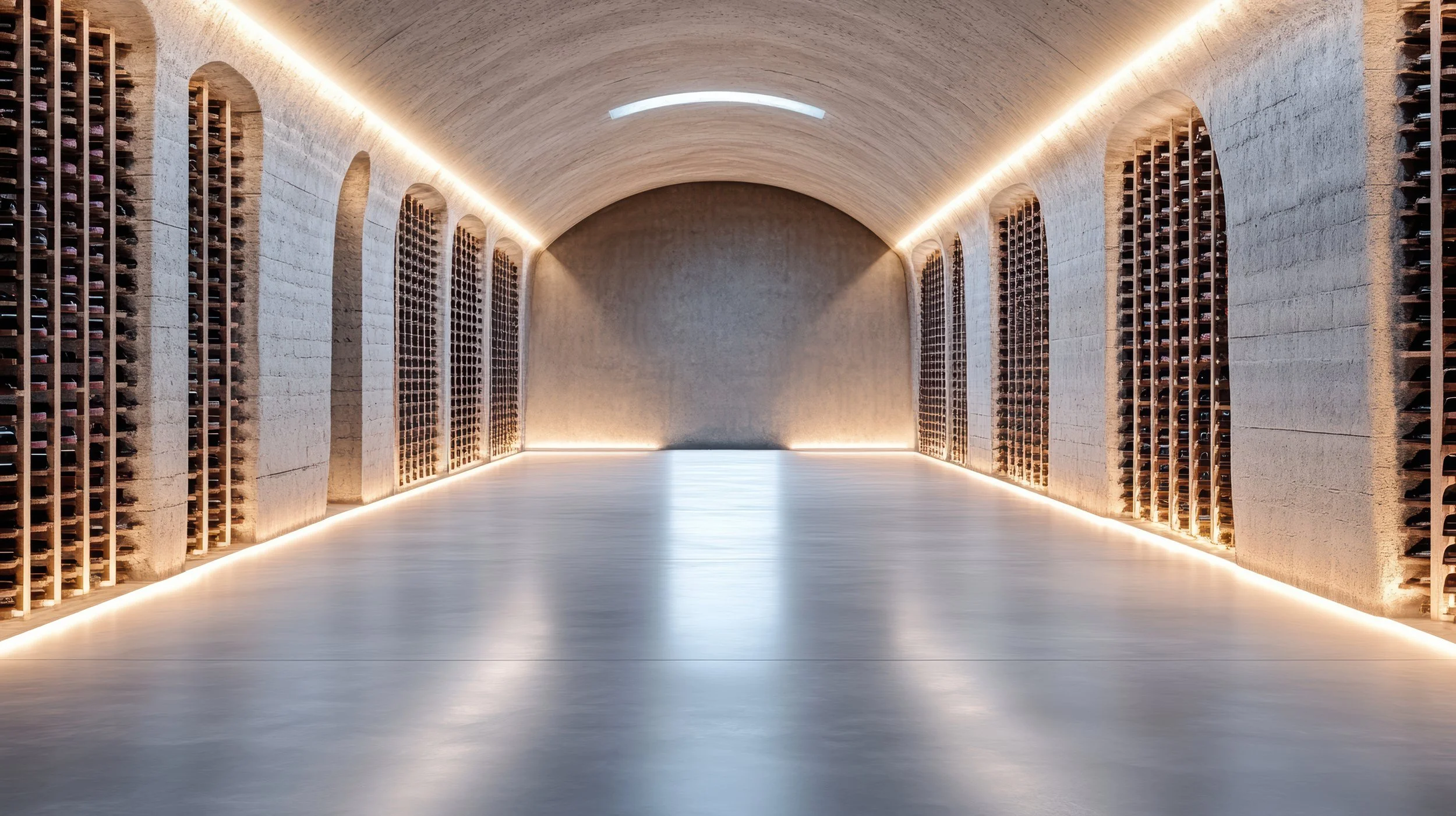
Would you rather build a cellar at home, one you sip from slowly, watching bottles mature?
Or would you consider holding wines in bonded warehouses or digital form, purely as an asset strategy, for long-term return?
Both are valid. One is personal. The other is financial. And increasingly, many choose both.
Wine ages slowly. But the industry around it? It’s changing faster than ever.
Let me know what you’re drinking, investing in, or building. I’d love to hear from other collectors, sommeliers, and entrepreneurs on how you’re navigating this intersection of taste and value.
#WineLeadership #WineInvestment #LucciolaNYC #FineWine #AlternativeAssets #WineProgram #LuxuryHospitality #SommelierLife #DomaineDeLaRomaneeConti #Monfortino #WineWins #dVIN #WineStrategy #FandBLeadership